Biscuit Munch: A Display Font with Irresistible Charm
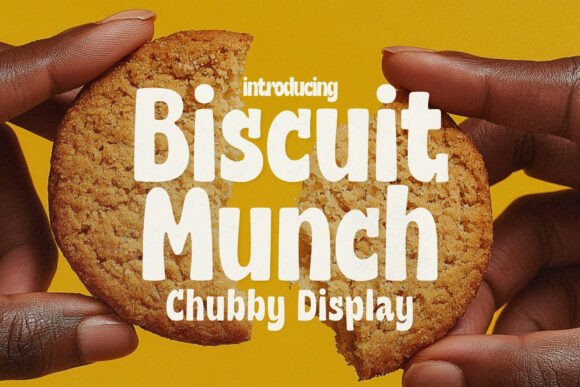
Finding the right typeface for a project can feel like searching for a specific ingredient in a vast pantry. You need something that not only fits the recipe but also brings its own unique flavor. For projects that call for warmth, personality, and a dash of playful energy, Biscuit Munch enters the scene. This isn't just another display font; it's a super fun and delightfully chubby typeface packed with snack-time charm. Its bubbly, rounded shapes and wiggly, hand-drawn rhythm make it look like it leaped straight off a cozy café menu or a cheerful bakery sign. If your goal is to create a visual identity that feels sweet, approachable, and instantly memorable, this creative font deserves your attention.
Understanding the Visual Personality of Biscuit Munch
At its core, Biscuit Munch is a premium font designed to evoke a specific, positive emotional response. Its visual characteristics are intentionally crafted. The letterforms are chubby and soft, with generous curves that avoid sharp edges, creating an immediate sense of friendliness and approachability. This isn't a stiff, corporate typeface. The subtle, wiggly baseline and hand-drawn quality give it an organic, human touch, as if each letter was carefully iced onto a cookie. This style sits comfortably between a playful sans serif font and a casual handwritten font, but with a distinct, food-inspired personality all its own. The overall appeal is one of uncomplicated joy and warmth, making it an excellent tool for projects targeting audiences that appreciate authenticity and charm.
Where Biscuit Munch Truly Shines: Practical Applications
The true value of any design asset lies in its application. Biscuit Munch excels in contexts where you need to grab attention and convey a specific, cheerful tone. Think beyond just the obvious bakery packaging. Its strength as a display font makes it perfect for:
- Branding & Packaging: It’s a natural fit for café branding, artisan food labels, snack packaging, and children's product lines. The font’s personality can become a core part of a brand identity, helping small businesses stand out on crowded shelves or in social media feeds.
- Marketing & Digital Content: Use it for impactful social media graphics, YouTube thumbnails, poster headlines, or playful logos. Its high visibility ensures your message cuts through the noise, especially in fast-scrolling digital environments.
- Editorial & Print: It works wonderfully for chapter titles in cookbooks, headers in lifestyle blogs, fun sticker sheets, or apparel designs where a touch of whimsy is the goal.
The key is to use it where its personality can be fully appreciated. It’s not for long paragraphs of body text—that’s a job for a neutral serif font or sans serif font—but for headlines, titles, and short bursts of text that need to make a strong first impression.
Making Smart Design Choices with a Playful Typeface
Choosing Biscuit Munch is just the first step. Using it effectively requires thoughtful design strategy. Here’s how to integrate it into your projects for maximum impact.
Evaluating Project Fit and Audience
Before selecting any font, always consider your project’s goals and your target audience. Is the tone meant to be professional and serious, or friendly and informal? Biscuit Munch skews heavily toward the latter. It’s ideal for audiences like families, young adults, hobbyists, and consumers who respond to a down-to-earth, nostalgic, or playful aesthetic. For a tech startup’s investor presentation, it would be out of place. For a local bake sale poster or a new line of gourmet granola, it’s a perfect match.
Mastering Font Pairing for Visual Hierarchy
A common challenge with distinctive display fonts is ensuring overall readability. This is where font pairing becomes essential. Biscuit Munch should almost always be paired with a more neutral, highly legible typeface for body copy. Consider pairing it with:
- A clean, geometric sans serif font for a modern, friendly contrast.
- A traditional serif font to create an interesting balance between playful and classic.
- A simple, understated script font for a cohesive yet varied look.
This pairing establishes a clear visual hierarchy: Biscuit Munch commands attention for headlines, while the secondary font ensures the supporting text is easy to read. This approach maintains professionalism and guides the viewer’s eye through your design.
Practical Considerations: Testing and Licensing
Treat your font selection like any other critical design decision. Always test Biscuit Munch in context before finalizing a design. View it at the intended size on both screen and print mockups. Check the legibility of individual characters and how words flow. Review the full character set and any included styles (like alternates or ligatures) to understand its full capabilities.
Equally important is understanding the commercial font licensing. Ensure the license covers all your intended uses, whether for a client’s brand identity, a product for sale, or a digital download. A reputable font provider will make licensing terms clear, protecting both you and your client.
Conclusion: Adding a Dose of Delight to Your Design Toolkit
In the world of modern typography, having a diverse library of design assets is crucial. Biscuit Munch isn’t a font for every project, but for the right one, it’s invaluable. It offers a way to inject a project with instant personality, warmth, and a memorable visual style that can strengthen brand perception and deepen audience engagement. By understanding its strengths, applying it thoughtfully within a structured design system, and pairing it wisely, you can leverage this creative font to craft designs that are not only beautiful but also strategically effective and full of charm.