Canvas: The Bold Slab Serif for Impactful Design
What Exactly is the Canvas Font?
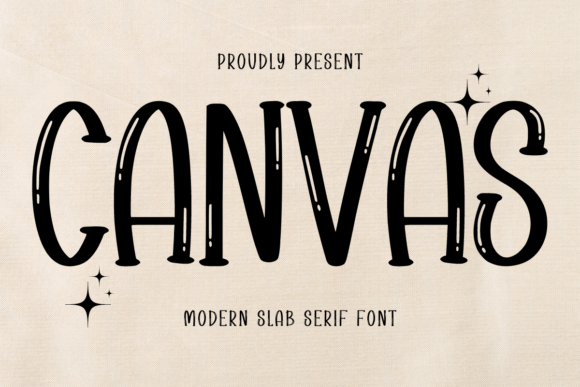
You know that feeling when you need a typeface that just commands the space? That’s where Canvas comes in. It’s a thick, modern slab serif built for presence. The characters are intentionally wide, with substantial, blocky serifs—the little feet at the ends of the strokes. This isn’t a font that whispers; it speaks clearly and confidently. Think of it as the typographic equivalent of a strong handshake. Its personality is contemporary yet approachable, blending the reliability of a classic serif with a fresh, graphic weight. The overall appeal lies in its straightforward confidence; it doesn’t rely on fancy curves or intricate details, but on solid, chunky forms that fill a frame with purpose.
Where Canvas Truly Shines
So, where does a typeface with this much character actually work? Its strengths make it a versatile display font for projects that need to grab attention immediately. In branding and logo design, Canvas can establish a brand as strong, dependable, and modern. It’s particularly effective for businesses that want to project stability without feeling old-fashioned—think craft breweries, artisanal food brands, or contemporary furniture makers. The font’s wide letterforms are excellent for creating balanced, solid-looking wordmarks.
Beyond logos, Canvas is a powerhouse in packaging design. On a shelf crowded with visual noise, its bold strokes ensure product names are legible from a distance. It works beautifully on everything from coffee bags to cosmetic boxes, lending an artisanal yet professional feel. For poster design and banners, it’s a natural fit, delivering headlines that pop. In the digital realm, consider it for impactful hero sections on websites, bold social media graphics, or standout call-to-action buttons. Its clarity holds up well on screens, making it a solid choice for web design headlines. For print, it excels in editorial design for magazine covers or pull quotes, and in merchandise like t-shirt typography where the design needs to be simple and strong.
The Practical Impact on Your Projects
Choosing a font like Canvas does more than just fill space with letters; it actively influences how your audience perceives your message. Its heavy weight and wide stance naturally create a strong visual hierarchy. A headline set in Canvas immediately establishes itself as the most important element on the page, guiding the reader’s eye exactly where you want it. This clarity is crucial for everything from a landing page to a printed brochure.
This typeface also plays a significant role in brand perception and recognition. Using a consistent, distinctive serif font like Canvas across your touchpoints—from your website headers to your product labels—builds a cohesive brand identity. It signals a specific aesthetic: modern, confident, and direct. This consistency fosters professionalism and makes your brand more memorable. When it comes to audience engagement, the right display font can make a design feel more curated and intentional, which in turn builds trust with your viewers or customers.
Smart Guidance for Using Canvas
Before you dive in, a few practical considerations will help you use this premium font effectively. First, evaluate your project’s needs. Canvas is a creative font designed for impact, so it’s best suited for headlines, logos, and short bursts of text. It’s not intended for setting long paragraphs of body copy, where its dense forms could reduce readability. Think of it as your star player for key moments, not for every single word.
Next, consider your font pairing. Because Canvas is so bold and distinct, it pairs best with simpler, more neutral companions. A clean sans serif font for subheadings or body text often creates a beautiful contrast, allowing the slab serif to shine without competition. A simple script font or handwritten font could also add an interesting, personal touch for specific projects, but use this pairing sparingly to avoid visual clutter. Always test your pairings to ensure they create a harmonious design rather than a confusing one.
Take a moment to review the styles included with your Canvas font license. Many commercial fonts come with multiple weights or stylistic alternates. Exploring these options can give you more flexibility within your design assets while maintaining a unified look. Finally, check the licensing terms carefully. Ensure the license covers your intended use, whether it’s for a single client project, unlimited commercial work, or merchandise. Understanding the terms protects you legally and ensures you can use this powerful typeface to its full potential across all your creative endeavors.