Ceoma: A Typeface for the Digital Frontier
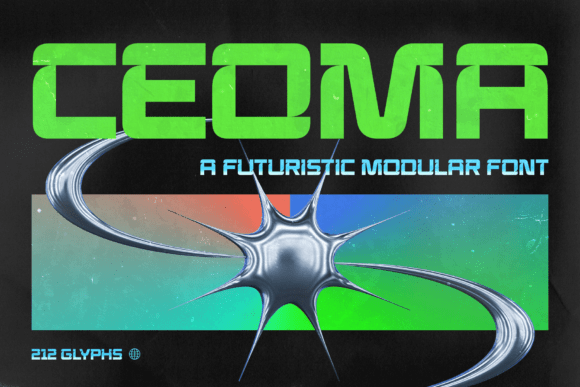
In the crowded landscape of digital design, finding a typeface that genuinely feels like it belongs to the future, rather than just mimicking it, is a rare find. Ceoma is that find. It’s not merely a font; it’s a design system engineered for the next wave of digital interfaces, branding, and media. Built from bold, heavy blocks with precise architectural inner cuts, Ceoma channels a distinct Y2K aesthetic filtered through a contemporary tech lens. Its wide, low-profile stance and capsule-like geometry give any heading an immediate sense of technical precision and raw kinetic energy. This is a premium font for creators who need their typography to do more than just sit on a page—it needs to perform.
Visual DNA: More Than Just Futuristic
Understanding Ceoma's visual personality is key to unlocking its potential. This isn't a delicate serif font or a friendly script font. It’s a robust sans serif font family, but one with a uniquely engineered character. The letterforms feel constructed, not drawn. Heavy, block-like shapes form the foundation, while sharp, precise inner cuts—what typographers might call counters or apertures—create negative space that feels deliberate and modern. This interplay between mass and void gives Ceoma its signature look: authoritative yet dynamic, industrial yet sleek.
The "wide, low-profile stance" mentioned in its description translates to excellent stability and presence on screen and in print. The "capsule-like geometry" softens the industrial edges just enough, preventing it from feeling cold or overly mechanical. It strikes a balance between the Y2K aesthetic of early digital optimism and the refined, minimalist tendencies of modern typography. The result is a typeface that feels both familiar in its retro-futurism and completely fresh in its execution. It’s a creative font that commands attention without shouting.
Where Ceoma Truly Shines: Practical Applications
The true test of any display font is how it performs in real-world scenarios. Ceoma’s engineered precision makes it a powerhouse for specific, high-impact projects. Its strong geometric foundation and high readability at scale make it ideal for contexts where clarity and a bold statement are paramount.
- Digital Interfaces & Gaming: Ceoma is a natural fit for futuristic gaming UI, heads-up displays, and app interfaces. Its clear, blocky forms ensure legibility even at small sizes on dynamic screens, while its style instantly sets a sci-fi or tech-centric tone.
- Branding & Logo Design: For brands in the tech, automotive, or entertainment sectors, Ceoma offers a distinct voice. It’s excellent for logo design that needs to convey innovation, strength, and forward-thinking. Think tech startups, electric vehicle companies, or electronic music labels.
- Editorial & Poster Design: In editorial design, Ceoma can dominate a magazine cover or a book title, especially for sci-fi, thriller, or technology-focused genres. For event posters—concerts, tech conferences, product launches—it provides an instant, professional-grade visual anchor.
- Apparel & Packaging: The font’s industrial vibe translates perfectly to packaging design for tech products, gaming gear, or high-concept consumer goods. It’s also a strong choice for apparel branding, particularly for streetwear or tech-wear lines seeking a bold, graphic identity.
Beyond these, Ceoma works powerfully in social media graphics for creators who want a cohesive, modern look across thumbnails, banners, and story text. It’s a versatile design asset for any project where you need typography to be a central, defining element of the brand identity.
Integrating Ceoma: Strategy Over Style
Simply choosing a futuristic font isn’t enough; integrating it effectively is what separates good design from great design. Ceoma’s strong personality requires thoughtful application. Here’s how to approach it practically.
Evaluating Project Fit
First, ask if the project’s core message aligns with Ceoma’s voice. Is the goal to communicate innovation, precision, power, or a futuristic outlook? If the project requires warmth, tradition, or handwritten charm, a serif font or handwritten font would be more appropriate. Ceoma is a specialist. Use it for projects where its strengths amplify the message, not where they might conflict with it.
Mastering Font Pairing
One of the most critical skills in using any display font is pairing it effectively. Ceoma’s bold, geometric nature means it pairs best with simpler, more neutral typefaces for body text. A clean, geometric sans serif font for paragraphs can create a cohesive, modern feel. Alternatively, pairing it with a classic, readable serif font can create a striking contrast that highlights Ceoma’s unique character in headlines while maintaining readability in long-form copy. Avoid pairing it with other highly decorative or stylistic fonts, as this will create visual competition and clutter.
Considering Readability and Hierarchy
As a display font, Ceoma is optimized for impact at larger sizes. Use it for headings, subheadings, logos, and pull quotes. For body text, especially on screens or in print, always choose a typeface designed for extended reading. This practice ensures a clear visual hierarchy—guiding the viewer’s eye naturally from the bold, attention-grabbing Ceoma headline to the comfortable, informative body text. This hierarchy is fundamental to professional web design and print layout.
Exploring Character Variations
A quality commercial font like Ceoma often includes multiple weights, styles, or even stylistic alternates. Take time to explore these variations. Does a slightly lighter weight work better for a subheading? Are there alternate characters that add a unique flair to a logo? Using these built-in variations allows for greater creative control and helps you craft a more refined and unique typographic system for your project.
Licensing and Professional Use
Finally, always ensure you have the correct commercial font license for your project’s scope. Whether it’s for a client’s logo, a product sold online, or a digital publication, understanding the licensing terms is non-negotiable for professional and legal integrity. It protects your work and respects the craft of the type designers who created the asset.
Ceoma is more than a collection of glyphs; it’s a tool for building visual futures. By understanding its character, applying it strategically, and pairing it wisely, you can harness its power to create designs that don’t just look modern—they feel engineered for what’s next. It’s an invitation to step into the next graphic dimension with confidence and precision.