Cuomotype: The Distressed Typewriter Font with Character
More Than Just a Typeface
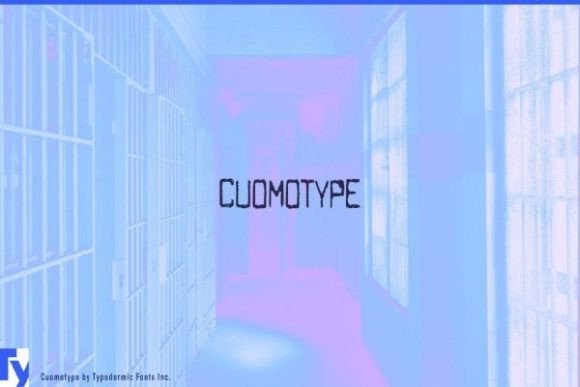
There’s a certain warmth to the click-clack of an old typewriter, a sense of history and authenticity that digital perfection often lacks. Cuomotype is a premium font that captures that very essence. It’s not just a collection of letters; it’s a distressed display font with a distinct personality, modeled after the familiar typography of classic Olympia typewriters. Each character carries the subtle imperfections—the uneven ink distribution, the slight misalignment—that give typewritten text its unique, human charm.
This isn't a cold, geometric sans serif font or a formal serif font. Cuomotype sits in its own category: a creative font that feels approachable, nostalgic, and immediately engaging. Its visual style is characterized by a textured, slightly rough-hewn appearance. The letterforms are robust and legible, with the characteristic spacing and weight variations of a mechanical typewriter. This gives it a first impression that is both warm and intriguing, making it a powerful tool for projects that need to stand out with authenticity rather than slickness.
Where Cuomotype Truly Shines
Understanding a font’s personality is one thing; knowing where to deploy it is where the real craft begins. Cuomotype excels in scenarios where you want to inject a dose of humanity, retro charm, or gritty realism. Its strength lies in headlines, logos, and short bursts of text where its detailed texture can be appreciated without hindering readability.
Branding and Logo Design
For logo design, Cuomotype can be a game-changer. It’s perfect for brands that want to project an image of craftsmanship, indie authenticity, or a connection to the past. Think artisanal coffee roasters, independent bookstores, vintage clothing labels, or a photographer with a documentary style. The font’s texture immediately tells a story, helping to build a brand identity that feels grounded and real. Paired with a clean modern typography element for body copy, it creates a compelling visual hierarchy that draws the eye and sticks in the memory.
Editorial and Packaging Design
In editorial design, such as for magazines, blogs, or book covers, Cuomotype can set a powerful mood. Use it for chapter titles, pull quotes, or section headers to break the monotony of standard body text. It adds a tactile, almost three-dimensional quality to the page. Similarly, in packaging design, it can make a product feel more personal and less mass-produced. Imagine it on a craft beer label, a handmade soap wrapper, or the branding for a small-batch sauce. It communicates care and individuality.
Digital and Social Media
Don’t let the “typewriter” origin fool you—this creative font has a strong digital presence. It’s fantastic for social media graphics where you need to stop the scroll. A quote card, a promotional banner, or a story header set in Cuomotype has an inherent authenticity that resonates. For web design, it’s best used sparingly for maximum impact: in a hero section headline, a call-to-action button, or a navigation menu in a site with a vintage or minimalist theme. Its texture adds visual interest without overwhelming a clean layout.
Practical Guidance for Using This Font
Choosing a font like Cuomotype is the first step. Using it effectively requires a bit of strategic thinking. Here’s how to integrate it into your workflow.
Evaluating Project Fit and Pairings
Not every project calls for a distressed display font. Ask yourself: does my message benefit from a sense of history, texture, or handmade quality? If you’re designing a corporate financial report, probably not. If you’re creating a poster for a local theater production or a menu for a diner, absolutely. The key is alignment between the font’s personality and the project’s goal.
A crucial skill is mastering font pairing. Cuomotype’s strong character means it can dominate a layout if overused. The most effective approach is to pair it with a simple, neutral companion. A clean sans serif font like Helvetica or Open Sans for body text provides a perfect counterbalance, ensuring readability while letting Cuomotype’s headlines pop. For a more refined look, a classic serif font can also work, creating an interesting contrast between old-world elegance and mechanical grit. Avoid pairing it with other highly decorative script fonts or handwritten fonts, as this will create visual chaos.
Readability and Hierarchy
As with any display font, readability at small sizes is a consideration. Cuomotype is designed for impact, not for setting long paragraphs. Its textured edges can become muddy in small body copy, especially on screen. Use it for headlines, subheadings, logos, and short phrases where its character is an asset. For longer text, always opt for a highly legible serif font or sans serif font. This practice not only ensures clarity but also strengthens your visual hierarchy, guiding the reader’s eye through the content logically.
Understanding Your License
Before using any commercial font, always review the licensing. Cuomotype, as a premium font, will come with specific terms for use. Check if the license covers your intended applications—whether it’s for a personal blog, client work, or products for sale. Most licenses differentiate between desktop, web, and app usage. Ensuring you have the correct license protects you legally and supports the type designers who create these valuable design assets. When in doubt, contact the foundry or distributor for clarification.
Cuomotype offers more than just letters on a page; it offers a feeling. It’s a tool for storytellers who want their visuals to speak with as much authenticity as their words. By understanding its strengths and applying it thoughtfully, you can elevate your projects from merely looking good to feeling genuinely memorable.