Dango: The Bold Sans Serif with a Playful Bite
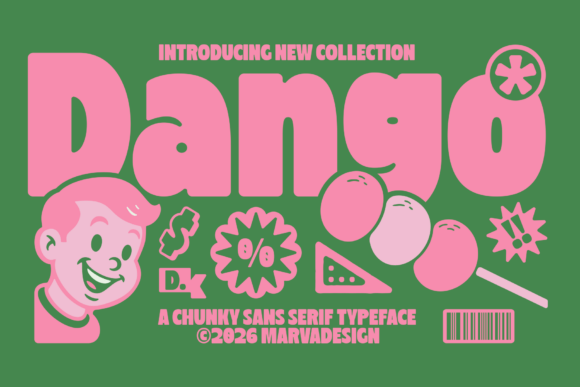
If you've spent any time scrolling through modern branding on Instagram or browsing the shelves of a trendy toy store, you might have encountered a typeface that feels both familiar and fresh. It's chunky, it's friendly, and it demands attention without shouting. That's the essence of Dango, a sans serif display font that draws its visual DNA from the soft, rounded aesthetic of traditional Japanese dumplings. But don't let the culinary inspiration fool you; this is a serious tool for designers who need to make an immediate impact.
At its core, Dango is an ultra-bold typeface characterized by heavy, rounded letterforms and minimal negative space. The strokes are thick and consistent, creating a "maximum-impact" weight that anchors any design it touches. Unlike a standard sans serif font that might prioritize neutrality, Dango has a distinct personality. It feels substantial, almost tactile, like the chewy texture of its namesake. This isn't a font for body text or fine print. It's a display font built for headlines, logos, and moments where you need to establish a vibe instantly. Its rounded terminals soften the typical severity of bold type, making it approachable and energetic rather than aggressive.
Where Dango Truly Shines: Real-World Applications
Understanding a font's character is one thing; knowing where to deploy it is where the real strategy comes in. Dango excels in environments where personality and clarity are paramount. Think about packaging design for a new line of artisanal snacks or a vibrant energy drink. The font's playful yet substantial presence can convey fun and quality simultaneously, catching a shopper's eye on a crowded shelf. For independent streetwear branding, Dango offers a modern edge that feels curated and intentional, perfect for graphic tees, hoodie prints, and brand logos that need to stand out in a competitive market.
Beyond physical products, this creative font is a powerhouse in the digital realm. Its bold weight ensures legibility at various screen resolutions, making it ideal for social media graphics, especially the high-energy "pop-art" style headers that dominate platforms like TikTok and Instagram. Imagine a sale announcement or a product launch post; Dango's presence ensures the message isn't just seen, but felt. It's also a strong candidate for modern toy store logos or children's activity branding, where the rounded, friendly shapes can evoke playfulness and safety. In editorial design, it can be used sparingly for pull quotes or section headers to break up long-form content and inject a dose of visual interest.
The Strategic Impact on Brand Perception
Choosing a typeface like Dango is a deliberate branding decision. Typography is a silent ambassador for your brand identity, and Dango communicates specific values. Its heavy weight and rounded forms suggest confidence, modernity, and a touch of whimsy. This can influence how your audience perceives your brand before they even read a word of copy. A logo set in Dango might feel more innovative and consumer-friendly than one set in a traditional, rigid serif font. It helps in building brand recognition because its unique shape is memorable. Consistency in using such a distinctive font across your web design, logo design, and print materials can solidify this perception, making your brand feel cohesive and professionally curated.
However, this impact comes with a responsibility to context. Dango's strong personality means it can overwhelm a design if used without restraint. It works best when paired thoughtfully. A common and effective strategy is font pairing. Consider combining Dango with a clean, geometric sans serif for body text or a delicate script font for accent text. This contrast allows Dango to command the hierarchy—making headlines pop—while supporting typefaces handle the readability of longer passages. Testing these pairings in your specific project context is crucial. Does the contrast feel harmonious or jarring? Does the supporting font get lost next to Dango's bold presence?
Practical Guidance for Implementation
Before integrating Dango into your next project, a few practical considerations will ensure a smooth workflow. First, always review the font's full character set and any included styles. Does it have the punctuation and symbols you need? Does it support multiple languages if your audience is global? Next, rigorously test for readability. While perfect for large headlines, shrink it down to a small size on a mobile screen or a distant sign. Is the letter spacing (kerning) still clear? The minimal negative space that gives Dango its charm could become a liability at very small scales.
Licensing is another non-negotiable step. Dango is a premium font, which typically means it comes with a commercial license for professional use. Ensure you understand the terms—can you use it in a logo for a client? Can you embed it in a mobile app? Purchasing from a reputable foundry or marketplace usually provides clear licensing for commercial font use, protecting both you and your client. Finally, treat it as one of your key design assets. Its strength lies in strategic use for maximum effect. Used thoughtfully, Dango isn't just a typeface; it's a tool that can inject energy, clarity, and a memorable personality into your visual communication.