Frozen Food: A Fun Handwritten Font for Modern Creators
In the crowded landscape of digital assets, finding a typeface that strikes the perfect balance between personality and usability can be a challenge. Many designers look for a creative font that feels organic and human, yet remains legible enough for professional applications. Enter Frozen Food, a handwritten font that brings a distinct, trendy vibe to the table. It is not merely a collection of letters; it is a design tool crafted to inject warmth and approachability into visual projects. Whether you are developing a brand identity for a startup or designing merchandise for a boutique, this typeface offers a refreshing alternative to standard corporate typography.
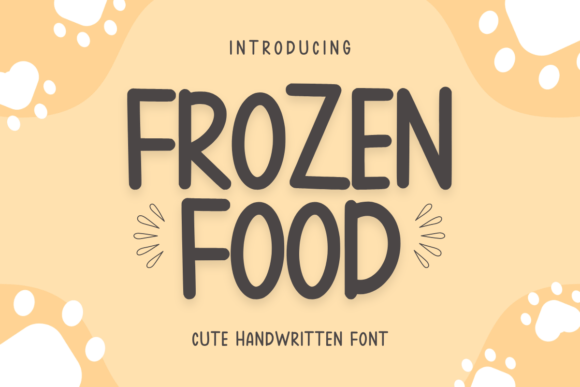
Unlike rigid geometric fonts, Frozen Food embraces the imperfections of hand lettering. The strokes flow with a natural rhythm, creating a sense of authenticity that resonates with modern audiences. This premium font is designed to feel personal, as if a skilled artisan wrote out the text by hand. It captures a "cute" aesthetic without being overly childish, making it a versatile asset for adults and young professionals alike. The visual weight and spacing have been carefully calibrated to ensure that the text remains readable, even when used in smaller sizes for body copy or subtitles. For anyone involved in modern typography, understanding the mechanics of such a font is key to leveraging its full potential.
Visual Style and Personality
When you first examine Frozen Food, you will notice its relaxed yet structured baseline. It functions effectively as a display font, drawing the eye immediately due to its unique character shapes. The letters connect in a fluid manner typical of high-quality script fonts, but they maintain enough separation to avoid becoming a jumbled mess. This clarity is crucial for logo design, where instant recognition is paramount. The font carries a "farmhouse" sensibility—evoking feelings of comfort, home-cooked meals, and rustic charm—but it adapts surprisingly well to sleek, contemporary contexts like web design and digital magazines.
The personality of Frozen Food is undeniably playful. It suggests movement and energy, making it an excellent choice for projects that need to feel dynamic. However, it does not sacrifice professionalism for the sake of fun. This balance is difficult to achieve in typography. A font that is too whimsical can undermine a brand's credibility, while one that is too stiff can alienate a younger demographic. Frozen Food sits in the sweet spot. It works beautifully as a complement to a clean sans serif font or a classic serif font, providing that necessary human touch that automated text often lacks.
Practical Applications Across Industries
The versatility of this typeface is one of its strongest selling points. It is not limited to a single niche, making it a valuable addition to any designer's library of design assets. Let us explore where Frozen Food truly shines.
Branding and Marketing
For small business owners and entrepreneurs, brand identity is everything. Frozen Food is particularly effective for brands targeting a lifestyle audience. Imagine a local bakery, a boutique clothing line, or a wellness blog; this font immediately establishes a friendly, approachable tone. In marketing materials, such as flyers or email headers, it can be used to highlight key messages or calls to action. Because it is a commercial font, you have the peace of mind to use it across all your corporate collateral without licensing headaches. It helps build a consistent visual language that customers will recognize and trust over time.
Digital and Editorial Design
In the realm of editorial design, hierarchy is essential. Frozen Food can serve as the perfect header font for magazines and blogs, breaking up the monotony of standard text blocks. When used for pull quotes or subheadings, it adds a layer of visual interest that keeps readers engaged. For social media graphics, where attention spans are short, the font's distinct style helps posts stand out in a crowded feed. It is bold enough to be read on a mobile screen, yet stylish enough to maintain the aesthetic quality of a curated Instagram grid or Pinterest board.
Packaging and Product Design
Product packaging design relies heavily on typography to convey the essence of the product inside. Frozen Food is an obvious fit for artisanal goods, snacks, or homemade products. It suggests that the item was crafted with care. However, it also works for modern, trendy products like tech accessories or cosmetics aimed at a Gen Z or Millennial audience. The font's "cute" factor can soften the edges of a tech product or add a playful twist to a beauty brand. It creates an emotional connection with the consumer before they even open the box.
Personal and Creative Projects
Beyond commercial use, Frozen Food is a delight for personal projects. If you are a crafter creating SVG designs for a Cricut or Silhouette machine, this font cuts cleanly and retains its shape. It is ideal for shirts, tote bags, and home decor items like frames and wall art. For special occasions, such as invitations for weddings or birthday parties, it offers a personalized touch that standard fonts cannot replicate. Even for book covers, particularly in the young adult or romance genres, the font sets the mood instantly, promising a story that is engaging and relatable.
Strategic Considerations for Designers
While Frozen Food is incredibly versatile, using it effectively requires a strategic approach. Typography is not just about picking a font you like; it is about ensuring the text communicates the right message to the right audience.
Readability and Hierarchy
As with any display font, readability is the primary concern. Frozen Food is optimized for headings and short bursts of text. While it can be used for body copy in certain contexts (like a stylized menu), it is generally best to pair it with a highly legible sans serif font for longer paragraphs. This contrast creates a strong visual hierarchy, guiding the reader's eye from the headline to the supporting text. The interplay between the organic handwritten style and the clean geometric lines of a sans serif creates a modern, professional look.
Font Pairing and Harmony
Choosing the right companion font is crucial. Because Frozen Food has a lot of personality, it pairs best with fonts that are neutral and understated. Think of fonts like Montserrat, Lato, or Open Sans. These sans serif fonts provide a solid foundation that allows Frozen Food to be the star of the show without overwhelming the design. Avoid pairing it with other highly decorative fonts, as this can lead to visual clutter and confusion. The goal is to create harmony, not competition.
Licensing and Usage
When investing in a premium font, understanding the license is non-negotiable. Frozen Food is designed for both personal and commercial use, which covers a wide range of applications from client work to print-on-demand merchandise. However, it is always best practice to review the specific terms included with the download. Ensuring compliance not only protects you legally but also supports the type designers who create these valuable design assets. Proper licensing allows you to use the font confidently in high-stakes projects like corporate branding or mass-market packaging design.
Final Thoughts on Versatility
The true value of a font like Frozen Food lies in its ability to adapt. It can be rustic or modern, playful or sophisticated, depending on the context in which it is placed. It is a tool that empowers creators to experiment with modern typography without sacrificing professionalism. For the designer looking to expand their toolkit, or the small business owner seeking to define their voice, this typeface offers a reliable and stylish solution.
Ultimately, great design is about connection. It is about making the viewer feel something. Frozen Food achieves this through its authentic, hand-crafted aesthetic. It reminds us that behind every brand, every blog post, and every invitation, there is a human being. By incorporating this font into your work, you are not just choosing a typeface; you are choosing to add a layer of warmth and personality to your visual storytelling. It is a small detail that can make a significant difference in how your audience perceives and engages with your content.