Gibs: A Serif Font That Balances Tradition and Modern Style
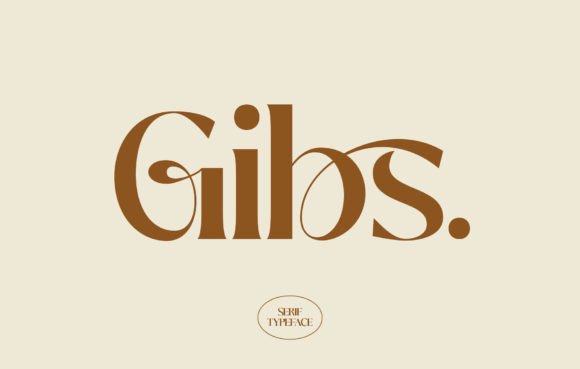
When you're building a brand or crafting a publication, the typeface you choose does more than just display words. It sets a mood, tells a story, and communicates a level of quality before a single sentence is read. Gibs is a serif font that understands this perfectly. It doesn't shout for attention; instead, it conveys a quiet confidence. With its refined serifs and well-proportioned letterforms, this typeface offers a blend of classic elegance with modern sophistication. It’s the kind of design asset that feels both familiar and fresh, making it a versatile tool for creators who value timeless beauty and grace in their work.
Understanding the Character of Gibs
At its core, Gibs is a premium font designed with intention. Its visual personality is one of understated luxury. The serifs are crisp and deliberate, providing structure without feeling rigid or outdated. The letter spacing and proportions are carefully balanced, ensuring that text blocks are comfortable to read while maintaining a distinct aesthetic appeal. Unlike some highly decorative display fonts, Gibs prioritizes clarity and rhythm, making it a practical choice for both headlines and extended body copy. Its versatility is its strength—it can feel authoritative in a legal document, sophisticated on a wine label, and inviting in a lifestyle blog.
Where Gibs Truly Shines: Practical Applications
The true test of any typeface is how it performs in real-world scenarios. Gibs excels across a wide spectrum of projects, proving its worth as more than just a pretty face.
For Brand Identity and Logo Design
Choosing a font for a logo design is a foundational decision. Gibs brings a sense of established credibility and refined taste, making it ideal for brands in the luxury, lifestyle, hospitality, or professional services sectors. It helps build a brand identity that feels trustworthy and polished. A boutique hotel, a high-end skincare line, or a consultancy firm can use Gibs to immediately signal quality and attention to detail. Its legibility ensures the brand name remains clear and recognizable across all applications, from business cards to building signage.
In Editorial and Publishing Work
For editorial design, whether it's a magazine feature, a book cover, or an annual report, Gibs provides the perfect backbone. Its strong readability makes it excellent for pull quotes and subheadings, while its elegant style elevates the overall design. It pairs beautifully with a clean sans serif font for body text, creating a dynamic and professional visual hierarchy. Authors and publishers looking for a creative font that doesn't sacrifice readability for style will find Gibs to be a reliable and attractive choice.
Digital and Print Marketing
In the fast-paced world of web design and social media graphics, clarity is king. Gibs translates exceptionally well to screens, maintaining its refined character at various sizes. It can be used for website headings, email newsletters, and digital ads to create a cohesive and professional look. For print materials like brochures, posters, and packaging design, its high-quality letterforms ensure sharp, clean reproduction. The font helps marketing materials stand out with a touch of class, enhancing audience engagement through superior design.
Personal and Commercial Projects
Beyond corporate use, Gibs is a fantastic resource for crafters, hobbyists, and small business owners. Think wedding invitations, personalized stationery, product tags for handmade goods, or branding for a local bakery. Its accessible elegance allows non-designers to achieve a professional and polished look without extensive training. As a commercial font, it comes with licensing that supports these varied uses, making it a valuable addition to any creative toolkit.
Making Gibs Work for You: A Practical Guide
Integrating a new font into your workflow requires a bit of strategy. Here’s how to approach using Gibs effectively.
Evaluating Fit and Pairing
Before committing, ask yourself: Does this font's personality match my project's voice? Gibs is versatile, but its inherent elegance is best suited for projects that aim for sophistication, reliability, or a classic feel. For font pairing, consider its strengths. It creates a beautiful contrast with a geometric or humanist sans serif font for body text. For a more traditional feel, it can be paired with a subtle script font or handwritten font for accent text. Always test pairings in context to see how they interact visually.
Testing for Readability and Hierarchy
Always test the font at the sizes you plan to use it. Check paragraph readability, especially for longer text blocks. Use different weights and styles (like italics or small caps, if available) to create clear visual hierarchy in your designs. A strong hierarchy guides the reader's eye and improves comprehension, which is crucial for everything from logo design to a multi-page editorial design project.
Understanding the Package and Licensing
When you invest in a premium font like Gibs, review what’s included. Look for multiple weights (Light, Regular, Bold), italics, and OpenType features like ligatures or stylistic alternates. These features give you greater design flexibility. Ensure the licensing covers your intended use—whether for a single client project, unlimited commercial work, or digital products. Understanding these details upfront prevents issues later and allows you to fully leverage the font as a professional design asset.
In the end, selecting a typeface is a creative decision with practical consequences. Gibs offers a compelling solution for those seeking a serif font that delivers both aesthetic appeal and functional performance. It’s a tool that can help shape perception, strengthen communication, and add a layer of professionalism to any visual project you undertake.