Give Your Designs a Bold Voice with Brush Texture
There are moments in design when a standard, clean font just won’t cut it. You’re working on a vintage poster, a gritty t-shirt graphic, or a brand identity that needs to feel established and rugged. This is the exact territory where Brush Texture excels. It’s not just another typeface; it’s a statement piece. As a premium font, it carries a distinct personality—one that’s bold, vintage, and unapologetically unique. If you're looking to inject some serious character into your work, understanding this font is a great place to start.
The Anatomy of a Statement Font
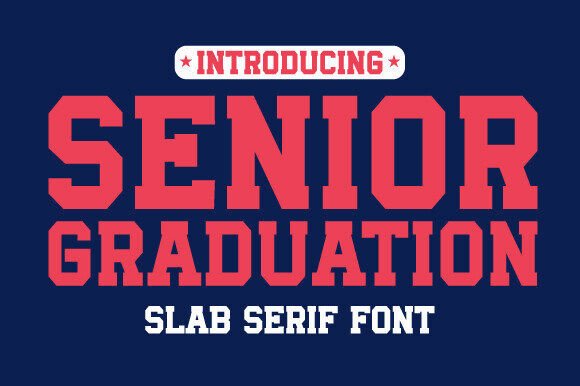
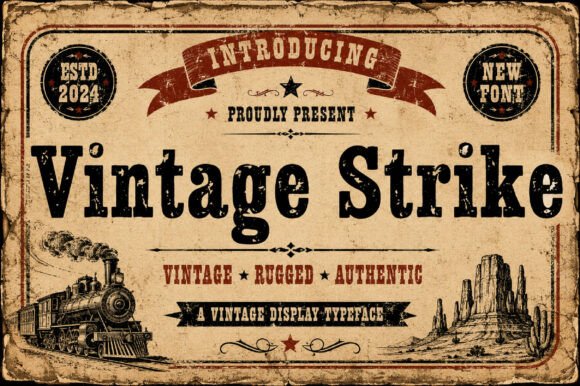
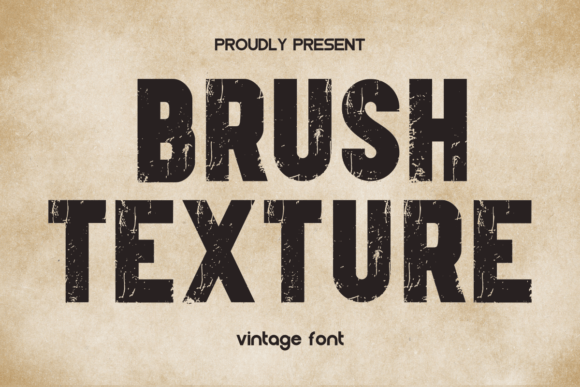
So, what exactly makes Brush Texture tick? At its core, it’s a serif font, but not the kind you’d find in a stuffy legal document. The serifs are bold and pronounced, giving each letter a solid foundation. The characters themselves have a notably wide stance, which immediately commands attention and creates a sense of stability. This isn't a delicate script or a minimalist sans serif font; it’s a workhorse designed for impact.
The "texture" in its name is key. It has a handcrafted, slightly worn quality that feels authentic, not digitally sterile. Imagine the look of a vintage letterpress print or a weathered sign—Brush Texture captures that essence. This creative font doesn’t just sit on the page; it has a presence, a voice that’s confident and full of history. It’s the kind of typeface that can make a simple word look like a landmark.
Where This Font Truly Shines
Knowing where to deploy a font like this is half the battle. Its strength lies in applications where you need to grab eyeballs and communicate a specific vibe instantly. Let’s break down its ideal environments.
Branding and Logo Design
For businesses that want to project authenticity, durability, or a vintage aesthetic, Brush Texture is a powerful tool for logo design. Think artisanal coffee roasters, craft breweries, barbershops, or outdoor adventure brands. The font’s bold serifs and textured appearance can form the backbone of a brand identity that feels grounded and trustworthy. It tells customers you value craftsmanship and substance. However, it’s best suited for the logotype itself or primary headers, not the body copy of your website.
Apparel and Product Packaging
This is where the font feels most at home. Its wide, bold characters are perfect for t-shirt typography, hoodie graphics, and caps. The text becomes a central part of the design, not just an afterthought. Similarly, in packaging design, it can make product labels pop on a crowded shelf. Imagine it on a hot sauce bottle, a craft beer label, or a box of artisanal chocolates. It adds a layer of perceived quality and heritage. For handicraft projects like custom book covers or tote bags, it provides a professional, polished look that’s hard to achieve with standard system fonts.
Print and Digital Collateral
Don’t limit it to products. Brush Texture is fantastic for editorial design elements like magazine headlines, chapter titles in books, or event posters. Its visual weight ensures your message is the first thing readers see. In the digital realm, it can be a secret weapon for social media graphics. A bold headline using this font can stop the scroll on Instagram or Pinterest, especially for quotes, announcements, or promotional posts. It also works well for website hero sections or key banner text, provided the surrounding design is clean enough to let it breathe.
More Than Just Looks: The Strategic Impact
Choosing a font is a strategic decision that affects how your message is received. Brush Texture influences several key areas of your design’s performance.
- Visual Hierarchy and Readability: Its primary role is to create a strong focal point. Use it for headlines, titles, or short, impactful statements. Never set a long paragraph in it; the texture and weight would make extended reading a chore. For body text, always pair it with a highly legible sans serif font or a simple serif to create a balanced font pairing.
- Brand Perception and Recognition: Fonts carry emotional weight. Brush Texture communicates boldness, tradition, and a touch of nostalgia. Consistently using it in your brand identity can help build recognition and set you apart from competitors using more generic typefaces. It says you’re confident and have a distinct point of view.
- Audience Engagement: A unique display font can evoke curiosity and emotion. It can make a marketing message feel more personal and crafted, which can foster a deeper connection with your audience. It’s not just about being seen; it’s about being remembered.
A Practical Guide to Using Brush Texture
Ready to incorporate it into your toolkit? Here’s how to approach it like a pro.
- Evaluate the Project Fit: First, ask if the project’s tone aligns with the font’s personality. Is it modern and minimalist? Brush Texture might clash. Is it vintage, rugged, or artisanal? It’s likely a perfect match.
- Test Font Pairings Rigorously: The right partner font is crucial. Since Brush Texture is a bold serif font, it pairs beautifully with a clean, geometric sans serif font for body text. It can also work alongside a simple handwritten font or script font for a more eclectic, layered look. Always test combinations at the actual size they’ll be used.
- Review the Included Styles: Check what comes with your purchase. A good commercial font often includes multiple weights (like Regular and Bold) or stylistic alternates. These variations give you more flexibility to fine-tune your design.
- Mind the Licensing: If you’re using it for client work, merchandise, or digital products, ensure you have the correct commercial font license. This is a non-negotiable step for any professional project to avoid legal issues down the line.
Ultimately, Brush Texture is more than just a design asset; it’s a catalyst. It has the power to transform a flat design into something with depth, history, and attitude. By using it strategically and pairing it wisely, you can create visuals that don’t just communicate a message, but also tell a story. It’s a valuable addition to any designer’s or creator’s library, especially when you need your work to make a bold, lasting impression.