Victoriana: A Guide to This Ornate Display Typeface
When you first encounter Victoriana, it is less like seeing a font and more like unearthing a time capsule. In an era dominated by clean, minimalist sans-serif font choices and geometric shapes, this typeface stands as a defiant celebration of the past. It is not merely a collection of letters; it is a statement piece designed to transport your audience back to the gaslit streets and velvet-draped parlors of the 19th century. For designers, publishers, and brand strategists, understanding how to wield a complex premium font like this is essential for projects that demand historical authenticity and visual weight.
The Anatomy of Grandeur: Visual Characteristics
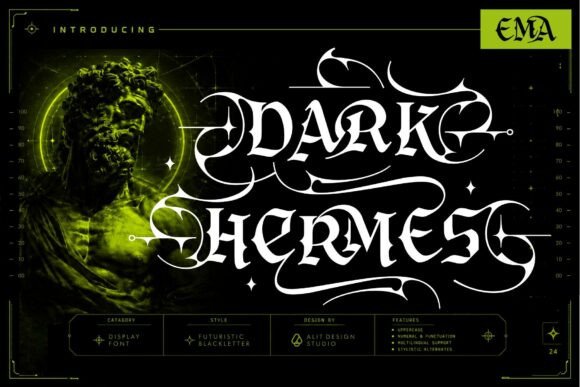
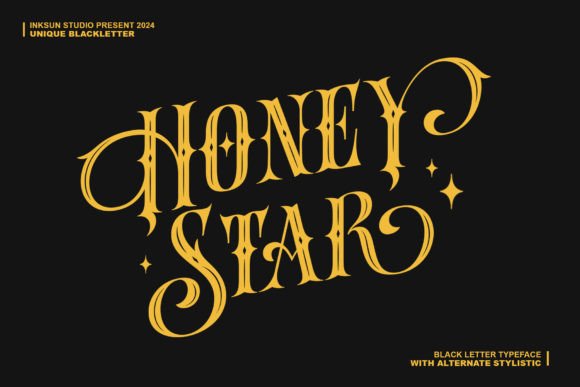
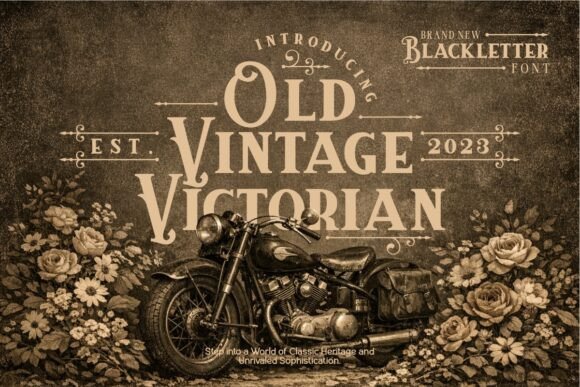
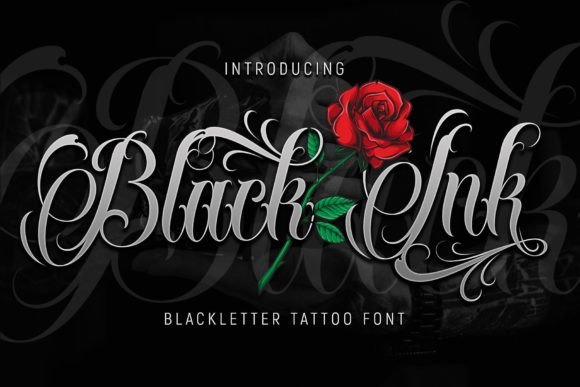
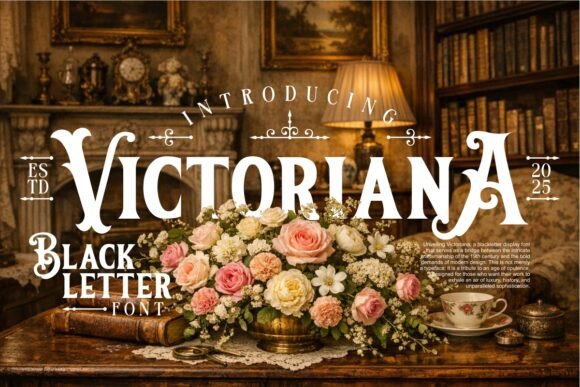
To appreciate the utility of Victoriana, one must first understand its visual language. This is a serif font, but it goes far beyond the standard Times New Roman or Garamond. It falls into the category of high-contrast, decorative display faces. The defining features are the intricate flourishes that extend from the serifs and terminals. You will notice that the "swashes" are not just random curls; they are carefully balanced to create a sense of rhythm and flow.
The overall personality of the typeface is one of opulence and authority. The letters often feature a condensed structure, allowing for a tall, imposing presence that mimics the architectural lines of Victorian Gothic buildings. However, the graceful curves soften this rigidity, adding a touch of romanticism. It captures the "more is more" aesthetic of the period, where ornamentation was a sign of status and craftsmanship. When using this font, you are essentially borrowing the cultural weight of that era—it suggests tradition, durability, and a certain theatrical flair.
Strategic Applications: Where to Use This Creative Font
Because of its density and level of detail, Victoriana is strictly a display font. This is a critical distinction for any marketing or web design project. Attempting to set long paragraphs of body copy in Victoriana would result in a visual disaster; the eye would fatigue quickly, and the text would become an unreadable blur at smaller sizes. Its strength lies in the "shout," not the "whisper."
Branding and Packaging Design
If you are working on brand identity for a distillery, a high-end chocolatier, a bespoke tailor, or a heritage hotel, this typeface is a goldmine. It immediately communicates a narrative of history and craftsmanship. In packaging design, Victoriana works beautifully for labels that need to stand out on a shelf. It suggests that the product inside is artisanal and made with care. However, ensure there is enough "bleed" or white space around the text so the intricate details don't get lost in the background texture.
Publishing and Editorial Design
For editorial design, think beyond the body text. This font shines on chapter openers, drop caps, and pull quotes. If you are designing a book cover for a mystery novel, a historical fiction piece, or a gothic romance, Victoriana sets the tone instantly. It works exceptionally well when paired with a neutral background—think matte black, cream, or deep burgundy—to let the ornate serifs breathe.
Digital Presence and Social Media
In the realm of digital assets, restraint is key. Use Victoriana for the masthead of a blog, the title of a YouTube video thumbnail, or as a stylized header on a landing page. For social media graphics, it can be a powerful tool to create a "stop-scrolling" effect. A single word set in Victoriana against a modern, minimalist photo can create a striking juxtaposition that grabs attention.
The Psychology of Perception and Readability
Typography is rarely just about aesthetics; it is about psychology. The choice of a creative font like Victoriana influences how your audience perceives your brand before they even read a single sentence of your copy.
First, there is the aspect of professionalism. When used correctly—meaning, in the right context and with proper spacing—it signals that the creator values quality. It suggests that you, as the designer or business owner, care about the details. Conversely, using it in the wrong context (like a tech startup’s landing page) can make a brand look confused or dated in a negative way.
Second, consider visual hierarchy. A heavy, ornate display face creates an immediate focal point. It anchors the design. If you pair Victoriana with a clean, geometric sans serif font for your subheadings and body copy, you create a pleasing tension between the old and the new. This contrast helps guide the reader's eye, making the layout easier to navigate.
Practical Implementation: Pairing and Licensing
Adopting a premium font like Victoriana requires a bit of technical due diligence to ensure your design assets work harmoniously.
Font Pairing Strategies:
The golden rule with a font this detailed is to keep the rest of your typography simple. You need a "workhorse" font to handle the heavy lifting of the content.
- Victoriana + Geometric Sans Serif: This is a classic high-contrast pairing. The mechanical precision of a font like Futura or Montserrat balances the organic, hand-crafted feel of Victoriana.
- Victoriana + Monospaced Font: For a more editorial or "steampunk" vibe, pairing it with a typewriter-style font can evoke a sense of industrial history.
- Avoid: Do not pair Victoriana with other script fonts or highly stylized handwritten fonts. The result will be visual noise where neither font can be read clearly.
Evaluating Fit and Testing:
Before committing to a purchase, test the font in your specific environment. Download the trial version if available. Create a mock-up of your logo or header. Zoom out to see if the letters remain distinct or if they merge into a dark blob. This is a common issue with high-contrast serif fonts at small sizes. Check if the font includes ligatures (special characters where letters connect), as these are essential for the flow of ornate typography.
Commercial Licensing:
Finally, never overlook the legalities. Since this is a commercial font, you must adhere to the End User License Agreement (EULA). If you are a small business owner creating a logo, you typically need a desktop license. If you are a web developer embedding the font into a site's CSS, you will need a webfont license. If you are an agency creating assets for clients, ensure your license covers client work. Ignoring this can lead to legal headaches down the road.
Conclusion: Embracing Historical Charm
Victoriana is more than just a typeface; it is a bridge to a different time. For designers, entrepreneurs, and content creators, it offers a way to inject personality and gravitas into projects that might otherwise feel generic. By respecting its complexity, pairing it wisely, and using it for high-impact moments like logo design and headers, you can leverage the timeless beauty of the Victorian era to create modern, engaging, and memorable designs. It is a reminder that in a world of flat design, there is still immense power in ornamentation and detail.