Espresso: The Handwritten Font That Feels Like Your Favorite Coffee Shop
There’s a certain warmth that comes with a hand-lettered note, a quality that digital text often misses. Espresso, a premium handwritten font, captures that feeling with remarkable grace. It’s not just a collection of letters; it’s a typeface with a distinct personality—cute, balanced, and genuinely versatile. For designers and creators, finding a creative font that feels both personal and professional is a small victory. Espresso is precisely that kind of discovery, offering a blend of charm and functionality that can elevate a wide range of projects.
Understanding the Visual Character of Espresso
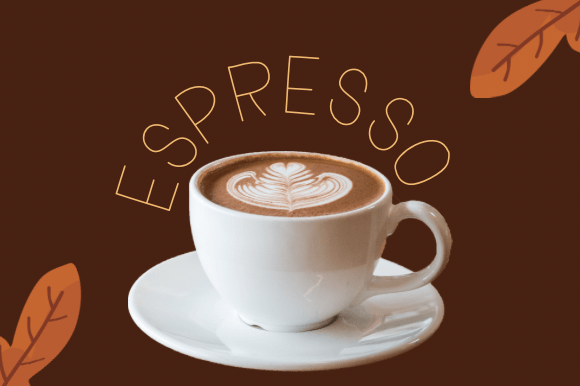
At its core, Espresso is a script font designed to mimic the natural flow of handwriting. Its characters are beautifully crafted, with a consistent baseline and well-proportioned letterforms that avoid the chaotic look of some handwritten styles. The strokes have a gentle, rounded quality, giving it a friendly and approachable feel. This isn't a bold, dramatic display font; it’s a subtle, nuanced typeface that whispers rather than shouts. The overall effect is one of effortless elegance, making it suitable for both personal crafts and commercial applications where a touch of authenticity is needed.
The personality of Espresso is warm, inviting, and slightly whimsical. It carries a sense of creativity and care, which makes it an excellent choice for projects that aim to connect on an emotional level. Unlike a stark sans serif font or a formal serif font, Espresso adds a human element to any design. Its style bridges the gap between casual and polished, allowing it to function in contexts where a purely decorative font might feel out of place. This balance is its greatest strength, offering designers a tool that is both expressive and reliable.
Where Espresso Truly Shines: Practical Applications
The versatility of Espresso makes it a valuable asset across numerous creative fields. In brand identity work, it can lend a boutique, artisanal quality to logos and branding materials for cafes, bakeries, lifestyle brands, or wellness coaches. It communicates a personal touch that can make a small business feel more relatable and trustworthy. For packaging design, especially on products like gourmet foods, handmade goods, or specialty cosmetics, Espresso adds a layer of perceived craftsmanship and care.
In the digital realm, this handwritten font excels in web design for headlines, pull quotes, or call-to-action elements that need to stand out without being aggressive. It works wonderfully for social media graphics, creating engaging posts and stories that feel personal and authentic. Bloggers and content creators can use it for featured images, podcast covers, or ebook titles to establish a consistent and recognizable visual style. For editorial design, it can be used for chapter titles, subheadings, or pull quotes in magazines, newsletters, or book layouts to break the monotony of body text and guide the reader’s eye.
For crafters and hobbyists, the applications are nearly endless. Think wedding invitations, greeting cards, scrapbook elements, and custom stationery. Its readability at smaller sizes also makes it a candidate for longer text passages in personal projects, such as recipe cards or journaling. The key is to match its personality with the project's tone—Espresso is ideal for contexts that value warmth, creativity, and a human connection.
Making Smart Design Choices with a Handwritten Font
Introducing a font like Espresso into your design toolkit requires thoughtful application. Its influence on readability is positive for short bursts of text, but for longer paragraphs, pairing it with a clean sans serif or serif font for body copy is a wise strategy. This creates a clear visual hierarchy, where Espresso draws attention to key messages while the supporting text remains easy to scan. The right font pairing is crucial; consider combining it with a simple, geometric sans serif for a modern contrast or a classic serif for a more elegant, timeless feel.
From a brand perception standpoint, consistently using Espresso can help build recognition and convey a specific brand personality—approachable, creative, and detail-oriented. However, overuse can dilute its impact. Use it strategically for headlines, logos, or accent text to maintain its effectiveness. When evaluating if it’s the right fit for a project, consider the audience and the message. Does the project call for a friendly, informal tone? If yes, Espresso is a strong contender. Always test it in context by creating mockups to see how it interacts with other design elements and colors.
Before committing, review the font’s included styles and character set. A quality premium font like Espresso often comes with alternates, ligatures, and extended language support, which can add variety and authenticity to your designs. For commercial projects, ensure you understand the licensing. Most reputable foundries offer clear commercial font licenses for different use cases, from single projects to enterprise-wide applications. Investing in a properly licensed font protects your work and supports the type designers who create these valuable assets.
Ultimately, Espresso is more than just a cute handwriting font. It’s a versatile design tool that, when used thoughtfully, can inject personality, warmth, and professionalism into a wide array of creative work. Its well-balanced characters and charming style make it a worthy addition to any designer’s library, ready to bring a human touch to your next project.