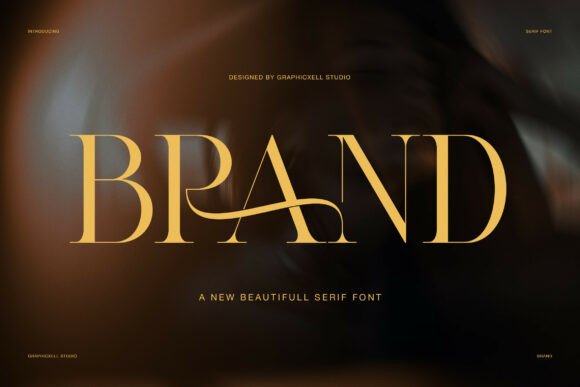
Brand: Crafting a Premium Visual Statement
In the crowded landscape of digital design, typography often serves as the silent ambassador of a brand’s quality. While many typefaces attempt to balance utility with flair, few manage to strike a chord that feels genuinely luxurious without being ostentatious. Enter Brand, a refined serif typeface designed specifically for creatives who demand a bold, graceful, and high-end look. It is not merely a collection of letters; it is a design asset capable of transforming simple text into a powerful visual statement. For designers, entrepreneurs, and publishers alike, understanding how to wield this typeface can be the difference between a project that looks "nice" and one that commands respect.
The Anatomy of Elegance
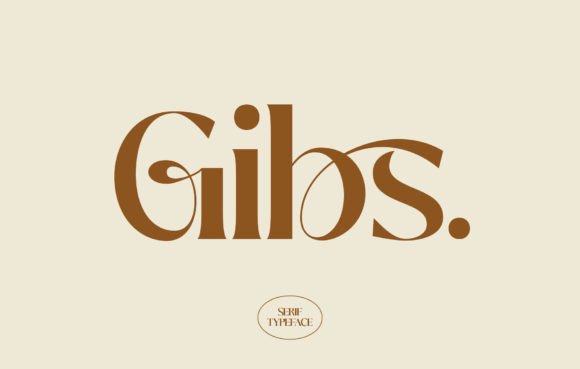
At first glance, Brand captures attention through its strong, architectural shape. However, the true beauty of this modern typography lies in the details. The letterforms are a masterclass in contrast and balance. You will notice distinct thin hairlines that dance alongside wide, sturdy stems. This interplay creates a dynamic rhythm on the page, offering a visual texture that flat, sans serif fonts simply cannot replicate.
Furthermore, the typeface features sharp serifs that ground the text with precision, while the smooth curves soften the overall aesthetic. This combination ensures that while the font feels structured, it never comes across as rigid. It is this delicate balance—sharp meets smooth, bold meets delicate—that gives Brand its expressive personality. It speaks a language of sophistication, making it an ideal choice for projects where perception is everything. Whether you are working on logo design or crafting a visual identity for a new startup, the inherent elegance of this serif font sets a high standard from the outset.
Strategic Applications: Where Brand Shines Brightest
Choosing the right typeface is about context. A font that works beautifully on a wedding invitation might fail miserably on a website header. Brand, however, possesses a versatility that allows it to excel across a variety of mediums, particularly those aiming for a premium feel.
Publishing and Editorial Design
For bloggers and publishers, the visual hierarchy of a page is critical. Brand excels in editorial design, particularly when used for headlines, pull quotes, or chapter titles. Its strong shape grabs the reader's eye immediately, establishing the tone of the article or book. Imagine a lifestyle blog header or the cover of a high-end magazine; the font’s high-end look instantly elevates the content, suggesting that the words within are worth reading. It pairs exceptionally well with clean body text, creating a hierarchy that guides the reader naturally through the narrative.
Branding and Marketing Collateral
When it comes to brand identity, consistency is king. Brand is a commercial font that shines in packaging design and marketing materials. For businesses in the fashion, beauty, or luxury goods sectors, this typeface acts as a stamp of quality. It works wonders on business cards, letterheads, and product packaging. Because of its expressive nature, it can turn a simple product name into a logo that feels established and trustworthy. It signals to the consumer that the brand pays attention to detail—precisely the kind of subconscious messaging that builds loyalty.
Digital and Web Design
In the realm of web design, readability is paramount, but so is personality. While Brand is a display font at heart, it translates surprisingly well to digital environments when used for large headings and hero text. On social media graphics, where users scroll rapidly, the bold and graceful nature of the typeface can stop the scroll. It provides the "thumb-stopping" power that content creators crave, ensuring that the message is not just seen, but felt.
Influencing Perception and Engagement
Typography does more than display words; it influences how those words are interpreted. Psychologically, serif fonts are often associated with tradition, reliability, and authority. Brand leverages these associations while adding a layer of modern flair.
When a user encounters a website or a brochure set in Brand, they subconsciously register a level of professionalism. This font choice suggests that the creator is serious about their craft. It helps in building brand recognition because the distinct letterforms—those sharp serifs and smooth curves—are memorable. Unlike generic system fonts, Brand has a voice. It engages the audience by making the text feel curated rather than merely typed.
Moreover, the visual hierarchy established by this typeface aids in comprehension. By using Brand for key headlines, you create clear entry points for the reader. This structure allows for better information retention, as the audience can quickly scan the boldest, most elegant text to find the information most relevant to them.
Practical Guide: Integrating Brand into Your Workflow
Adopting a new typeface requires more than just a download; it requires a strategy. To get the most out of Brand, consider the following practical steps.
Evaluating Project Fit
Before applying the font, ask yourself about the project's goals. Is the objective to convey warmth and approachability, or authority and exclusivity? Brand leans heavily toward the latter. It is perfect for a law firm’s rebrand, a luxury real estate brochure, or a high-end artisanal coffee shop. Conversely, it might feel out of place for a playful children’s party invitation or a rugged construction company. Understanding the personality of the font ensures it aligns with the client’s voice.
Mastering Font Pairing
No font is an island. To create a cohesive design, Brand needs a partner. Because it is a display serif with high contrast, it pairs best with a neutral, legible sans serif font for body text. Think of fonts like Helvetica, Roboto, or Open Sans. The simplicity of the sans serif will allow Brand to take center stage without creating visual noise. Avoid pairing it with other expressive script fonts or handwritten fonts, as this will result in a chaotic, cluttered aesthetic.
Readability and Licensing
While Brand is bold and beautiful, always test for readability at smaller sizes. If you intend to use it for sub-headlines or short descriptive text, ensure the hairlines do not disappear on low-resolution screens. Additionally, as a commercial font, it is vital to review the licensing terms. Ensure your license covers all intended uses—whether that is a single logo, a mobile app, or a nationwide print campaign. Respecting the licensing not only keeps you legally safe but supports the type designers who create these high-quality assets.
Ultimately, Brand is more than just a set of characters; it is a tool for elevation. For the designer, the entrepreneur, or the hobbyist looking to professionalize their work, it offers a direct path to a high-end aesthetic. By leveraging its strong shape and elegant details, you can ensure that your next project doesn't just communicate—it captivates.