Unexpected Typewriter: Crafting Authentic Vintage Character
The Charm of the Old Underwood, Digitized
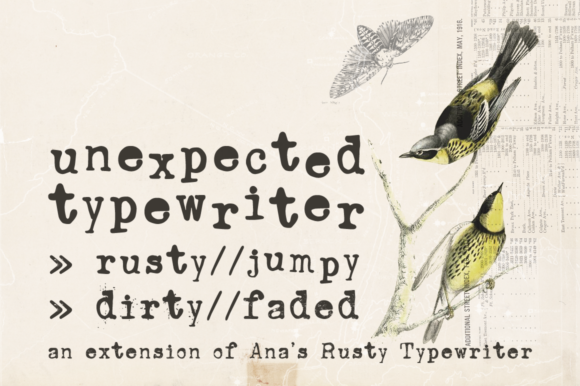
In the world of digital design, finding a typeface that feels genuinely human can be a challenge. Many fonts look too perfect, too sterile, lacking the tactile history that tells a story. This is where Unexpected Typewriter steps in. It is not just another font; it is a hand-drawn serif font inspired by the rhythmic clacking of an old Underwood typewriter. It captures the essence of a bygone era when every keystroke required a bit of force, leaving behind a distinct impression on the paper.
For designers, marketers, and content creators, this font offers a bridge between nostalgia and modern application. It does not merely replicate the mechanical uniformity of a machine; instead, it embraces the imperfections. The strokes vary slightly, and the edges feel organic, giving your text a warmth that is often missing in contemporary digital assets. If you are looking to infuse your project with a vintage vibe that feels earned rather than applied, this typeface provides the perfect solution.
Exploring the Family: Jumpy, Dirty, and Faded
One of the most practical aspects of Unexpected Typewriter is its versatility through its variations. A single style rarely fits every need, which is why this font family includes three distinct styles: Jumpy, Dirty, and Faded. Each variation serves a specific aesthetic purpose, allowing you to tailor the mood of your design precisely.
- Jumpy Typewriter: This style utilizes the contextual alternates OpenType (OT) feature. It simulates the erratic behavior of keys sticking or striking unevenly. It is excellent for adding movement and energy to headlines.
- Dirty Typewriter: This variation features ink splatters and smudges. It looks as if the ribbon was nearly spent or the machine hadn't been cleaned in years. It works beautifully for gritty, grungy aesthetics.
- Faded Typewriter: Perfect for a softer, more delicate vintage look. This style mimics faded ink, ideal for background textures or designs that require a subtle, aged appearance.
Strategic Applications for Modern Creators
Choosing the right premium font is about more than just aesthetics; it is about communication. Unexpected Typewriter excels in projects where authenticity is paramount. Here is how different professionals can leverage this typeface:
Branding and Logo Design
For entrepreneurs and small business owners, a brand identity must stand out. Using Unexpected Typewriter in your logo design immediately signals a connection to craftsmanship, heritage, or indie culture. It is particularly effective for coffee shops, craft breweries, vintage clothing stores, or artisanal goods. However, because it is a display font, it should be used sparingly in logos to ensure legibility at small sizes. Pair it with a clean sans serif font for the body text to create a balanced visual hierarchy.
Publishing and Editorial Design
In editorial design, typography sets the tone before a single word is read. This serif font is a fantastic choice for book covers in the mystery, thriller, or historical fiction genres. The "Dirty" and "Faded" styles can create an immediate sense of atmosphere. For publishers, using this font for pull quotes or chapter titles can break the monotony of standard text blocks and draw the reader's eye to key sections.
Digital and Social Media
The digital space is crowded, and social media graphics need to stop the scroll. Unexpected Typewriter provides a tactile quality that stands out against the flat, digital backgrounds of most feeds. It is an excellent creative font for Instagram quotes, podcast cover art, or YouTube thumbnails. Because it mimics handwritten notes, it feels personal and direct, which can significantly boost audience engagement.
Design Principles: Readability and Pairing
While the aesthetic appeal is strong, practical application requires attention to readability. As a rule of thumb for web design and print, avoid setting long paragraphs of body copy in Unexpected Typewriter. The irregular letterforms that give it charm can cause eye strain over large blocks of text.
Instead, use it for headlines, sub-headers, and call-to-action buttons. When it comes to font pairing, contrast is your friend. The ruggedness of the typewriter style pairs exceptionally well with modern, geometric sans serifs. A combination of Unexpected Typewriter for headers and a font like Montserrat or Lato for the body creates a professional yet approachable layout.
Furthermore, consider the spacing. Typewriter fonts often benefit from slightly looser letter-spacing (tracking) to prevent the characters from colliding visually, especially in the "Jumpy" variation. This adjustment ensures that your design assets look polished rather than cluttered.
Technical Considerations and Licensing
Before integrating any commercial font into your workflow, checking technical compatibility is essential. As noted, the "Jumpy" style uses specific OpenType features. You must ensure your software supports contextual alternates to get the full effect of this style. Most modern design assets software, including Adobe Creative Cloud (Photoshop, Illustrator, InDesign) and newer versions of Affinity Designer, support this feature. However, basic text editors or older software might default to a standard static rendering.
When evaluating the font for your project, run a few tests. Type out your specific headlines to see how the ligatures and alternates interact with your words. Does the "R" connect awkwardly with an "A"? Does the "T" look too heavy? Since this is a hand-drawn typeface, it has personality quirks that you need to inspect personally.
Finally, always review the licensing. If you are a freelancer or agency, ensure the license covers the specific use case—whether it is for a client's packaging design, a website, or merchandise. Respecting the creator's work ensures you can continue using high-quality design assets in the future.
Conclusion
Unexpected Typewriter is more than just a font; it is a tool for storytelling. It brings the tactile imperfections of the past into the clean digital world, allowing designers to create work that feels genuine. Whether you are working on a brand identity for a local business, crafting social media graphics, or designing a book cover, this font family offers the flexibility and character needed to make your work memorable. By understanding its variations and applying it thoughtfully, you can elevate your projects from generic to authentic.